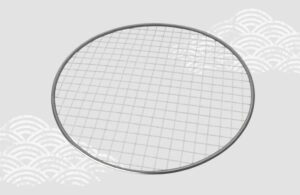
Chinese stove
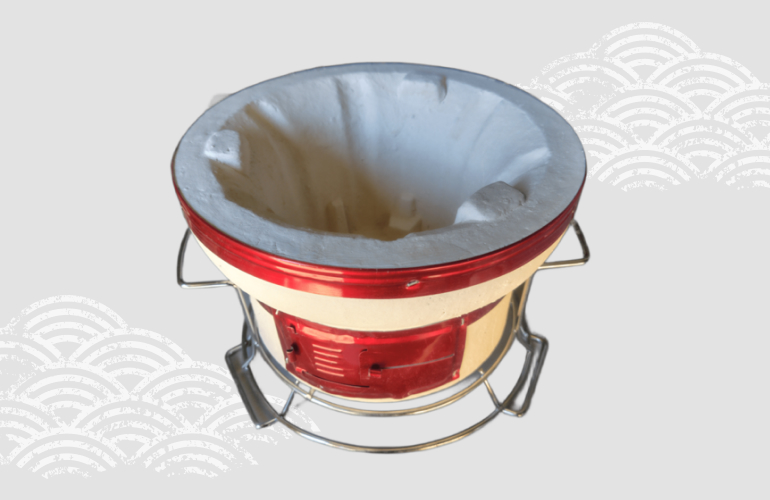
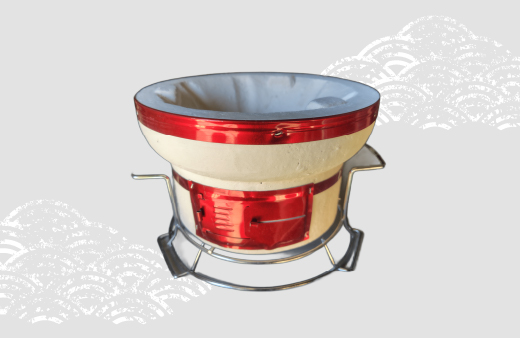
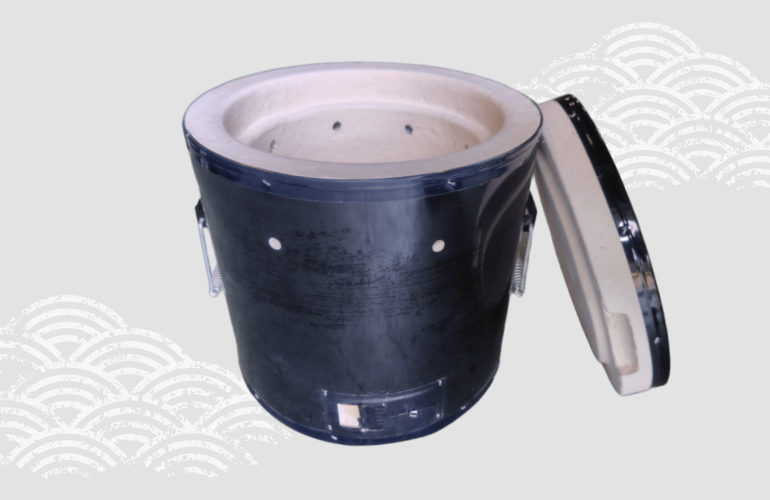
Origin
Made in China
Material
diatomaceous earth
weight
4kg/23kg
smoke
-
ash
-
Explosive
-
*In-house research
size
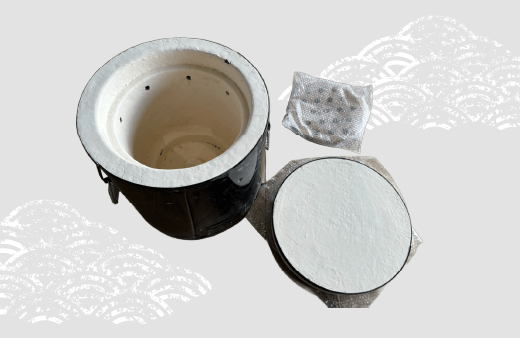
[Fire starter stove] Φ32.5cm x H31cm / weight 23kg
[Tabletop stove] Φ24cm x H18cm / weight 4kg
Product details for Chinese-made stoves
Recommended features of Chinese-made stoves
- Allows for stable transfer of charcoal heat to food.
• Lightweight and easy to handle, and easy to set up and move.
- Lower price than domestic products, contributing to cost reduction
• Durable enough for multiple unit installations and continuous commercial use.
What are Chinese-made stoves?
This stove is made using diatomaceous earth from China.
It has excellent heat conductivity and heat retention, allowing it to efficiently transfer the heat from the charcoal grill to the food.
While keeping the price lower than domestically produced products, it offers the durability and ease of use required for restaurants such as yakiniku restaurants.
Attention to origin and materials
• Uses diatomaceous earth from China
It has excellent heat resistance and heat retention, making it ideal for charcoal cooking.
• Commercial specifications
It's lightweight yet durable, and designed to be easy to handle in settings such as yakiniku restaurants and robatayaki (charcoal grill) restaurants.
Industries that frequently use stoves made in China
・Yakiniku restaurant
・Izakaya
・Yakitori restaurant
・Charcoal cooking for events
Related Items
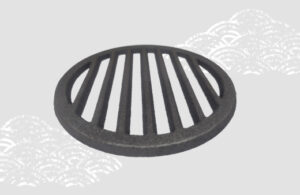
Chinese round slats
Φ approx. 21cm/thickness approx. 0.8cm
Click here for details on the product contents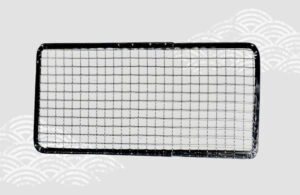
Chinese square flat net
17cm x 34cm, 30cm x 68cm, 27cm x 27cm, 22.3cm x 22.3cm, etc.
Click here for details on the product contents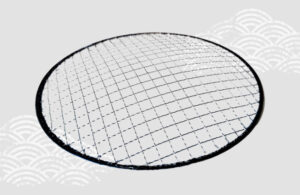
Chinese-made round dome netting
Φ25cm, Φ27cm, Φ28cm, Φ54.5cm, etc.
Click here for details on the product contents